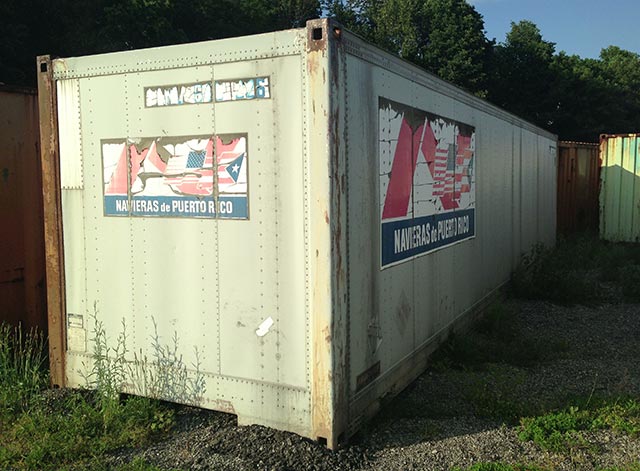
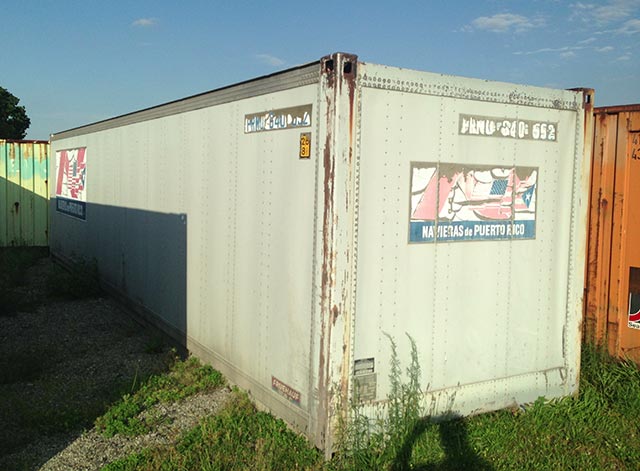
Sea-Land Service, the company who created the sea container as we know it today, started out with 35' containers in 1956. Sea-Land continued to use this size into the early 1980s. Even the early double-stack railcars from ACF and Gunderson were equipped to handle 35' containers specifically for Sea-Land. A handful of other carriers, such as Navieras de Puerto Rico, operated 35' containers for compatibility with Sea-Land's operations.
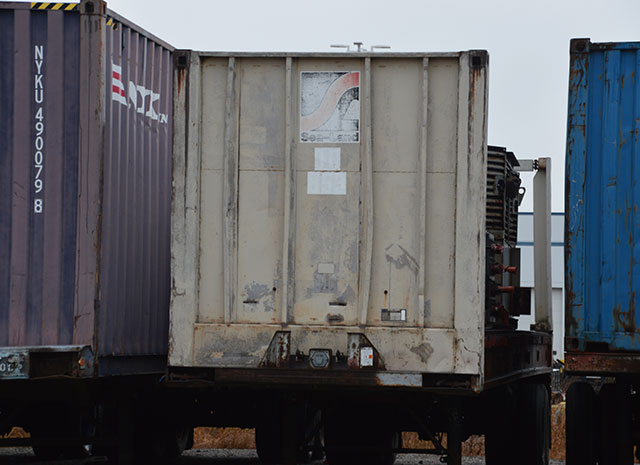
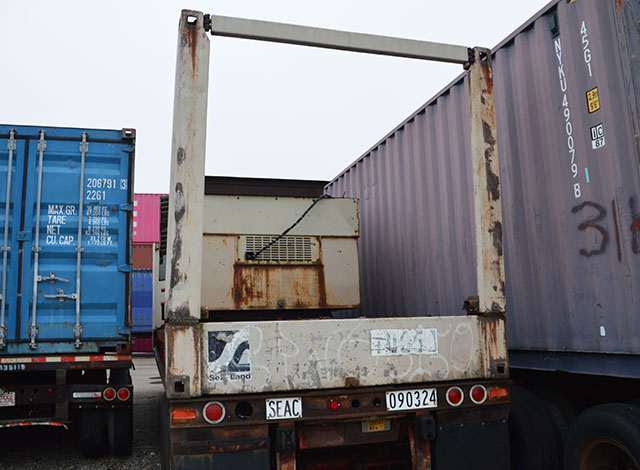
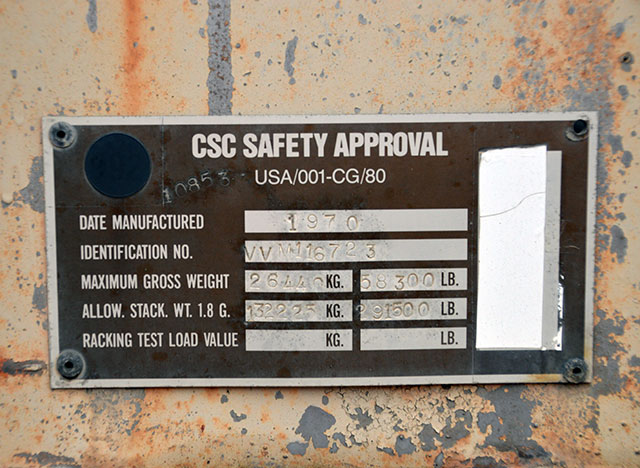
SEAU 10853. 35' flat rack container with removable rear bulkhead. Here is a photo of the rear. Here is the CSC plate. (Photo by Charles Fox)
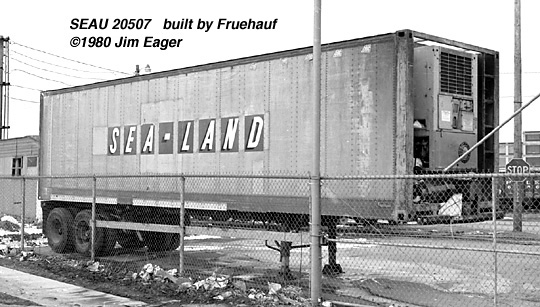
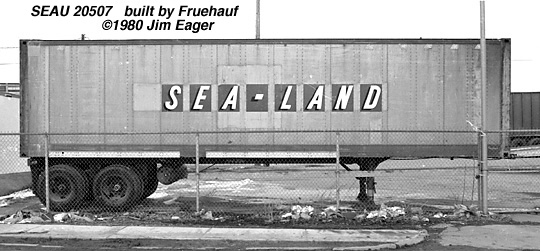
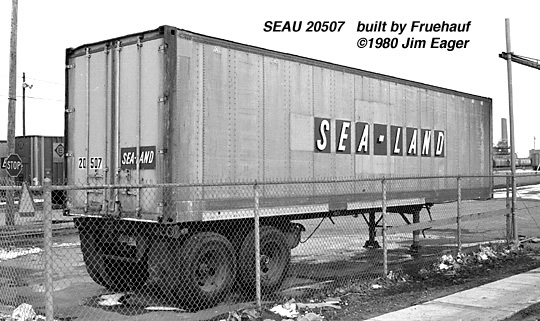
Below are three views of SEAU 20507, a 35' refrigerated container, courtesy of Jim Eager:
SEAU 20507 front view, SEAU 20507 side view, SEAU 20507 rear view
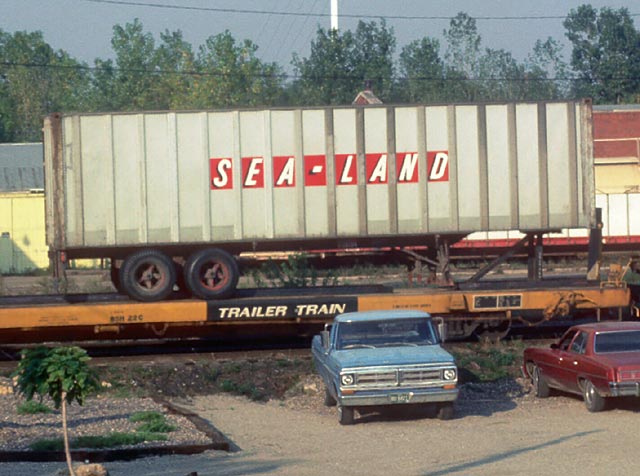
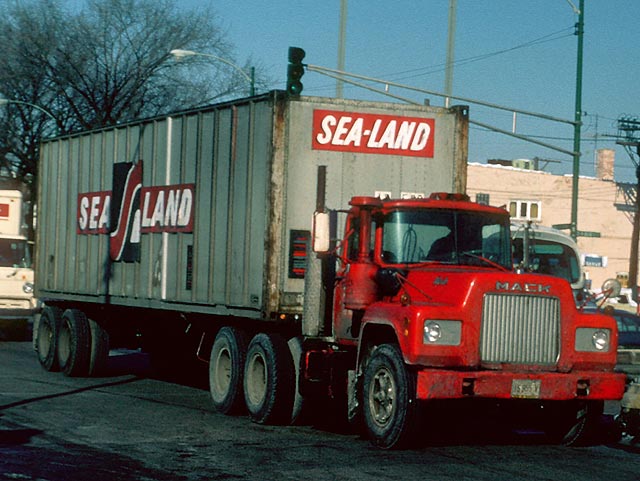
SEAU 35' exterior-post dry van. This is typical of Sea Land's 1970s fleet. (Photo by Bill Hoffman, from the Michael McGowen collection)
SEAU 35' exterior-post dry van. This one is in Sea Land's original billboard scheme. (Photo by Bill Hoffman, from the Michael McGowen collection)
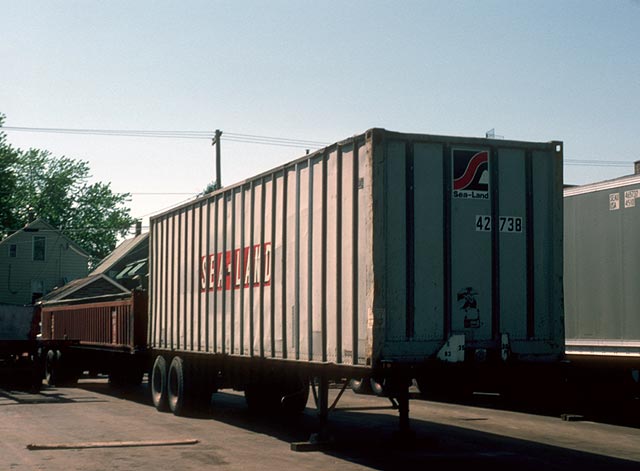
SEAU 42738. 35' exterior-post dry van. (Photo by Bill Hoffman, from the Michael McGowen collection)
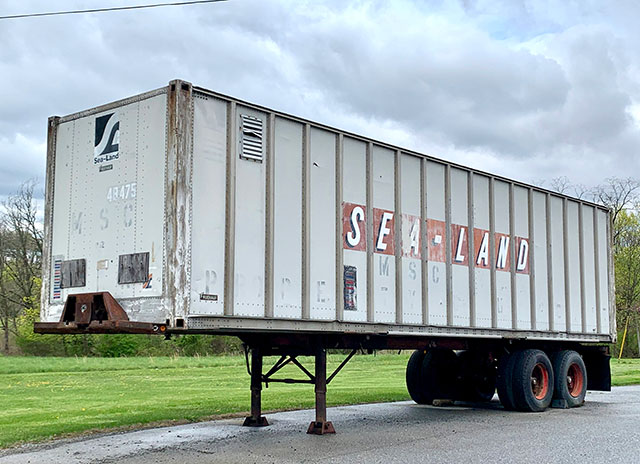
SEAU 48475. 35' exterior-post dry van built by Fruehauf. Seen here still in good condition as a storage unit in 2021. (Photo by Rich Reinhart)
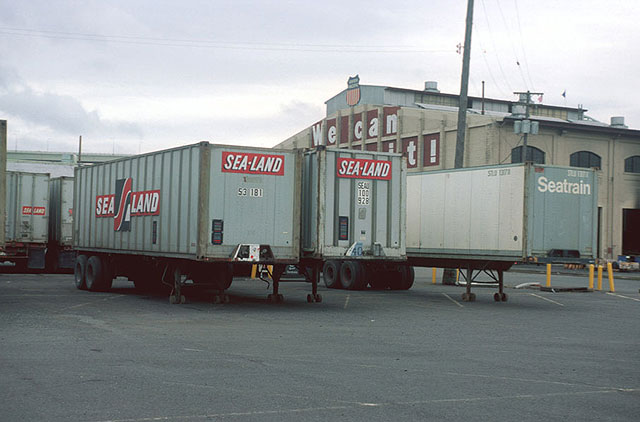
SEAU 53181 (at the left) is typical of Sea-Land's early 35' dry van containers with the billboard logo. The Sea-Land container just to the right of it is a 40' unit with intermediate 35' stacking posts. And how about that classic SeaTrain 40' container on the far right? An excellent shot of vintage intermodal from 1978! (Photo by Bill Hoffman, from the Michael McGowen collection)
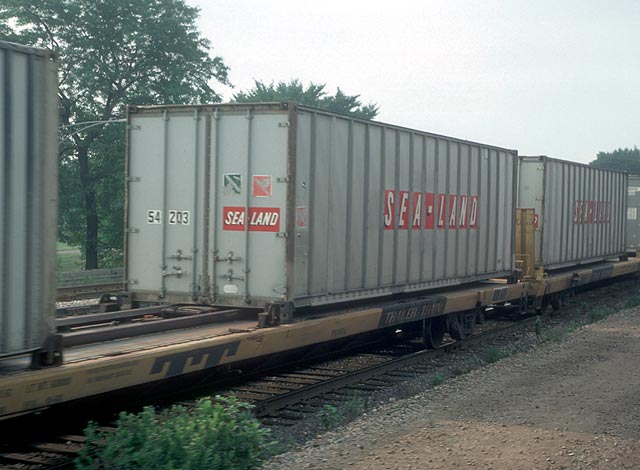
SEAU 54203. 35' exterior-post dry van. (Photo by Bill Hoffman, from the Michael McGowen collection)
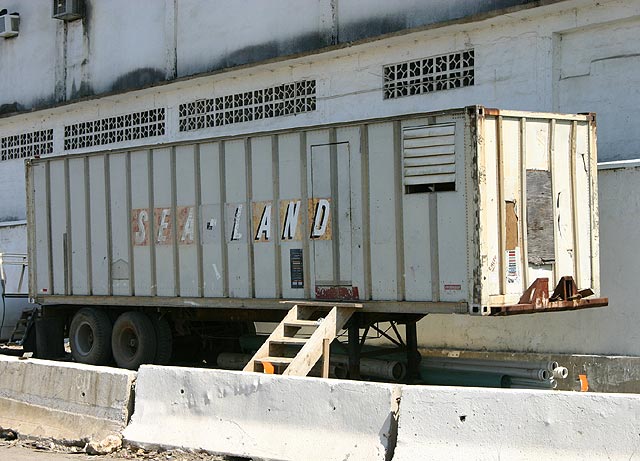
An old Sea Land 35' exterior-post container. (Photo by Michael McGowen)
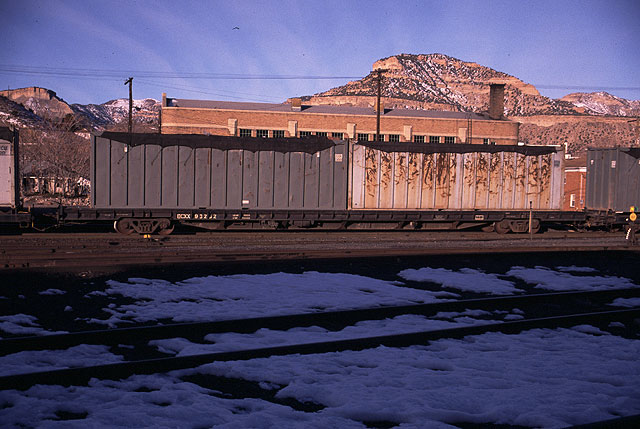
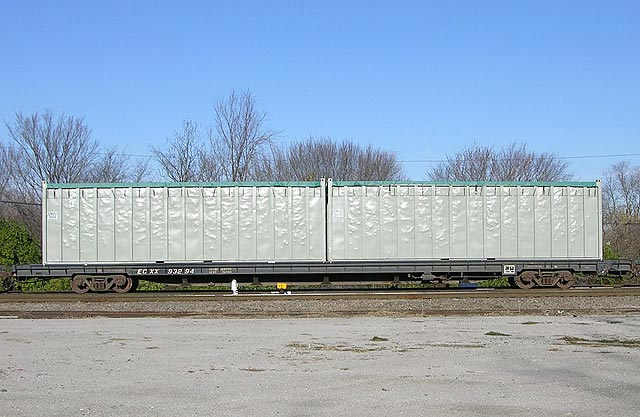
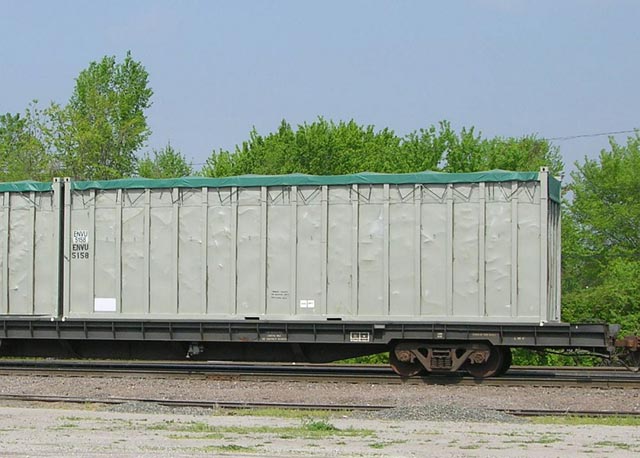
These ECDC open-top containers appear to be old 35' containers most likely of Sea-Land heritage. These containers haul contaminated soil to a landfill in Utah. (Photo by Michael McGowen)
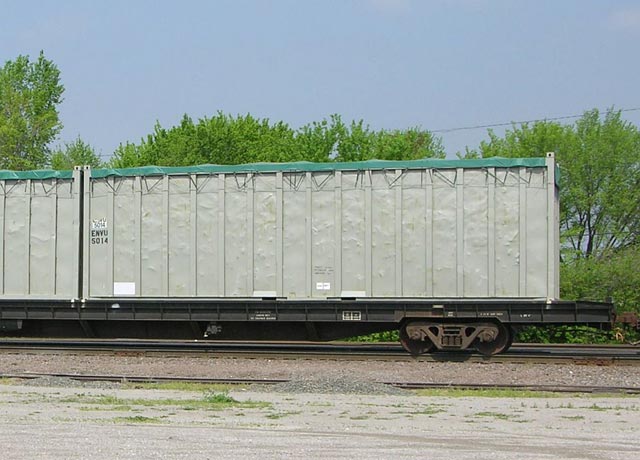
ENVU 5004 and 5011 are likely ex-Sea Land 35' units used for carrying contaminated soil. ENVU 5014 and 5158. (Photos by Keith Belk).
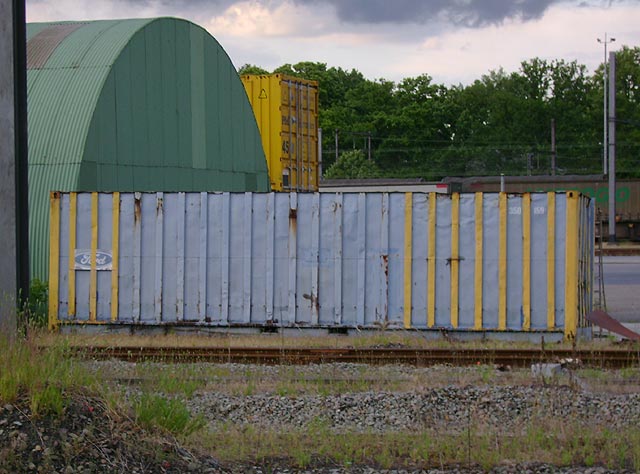
Ford 350159 is likely to be a 35' container, but unconfirmed. (Photo by Cor Rood)
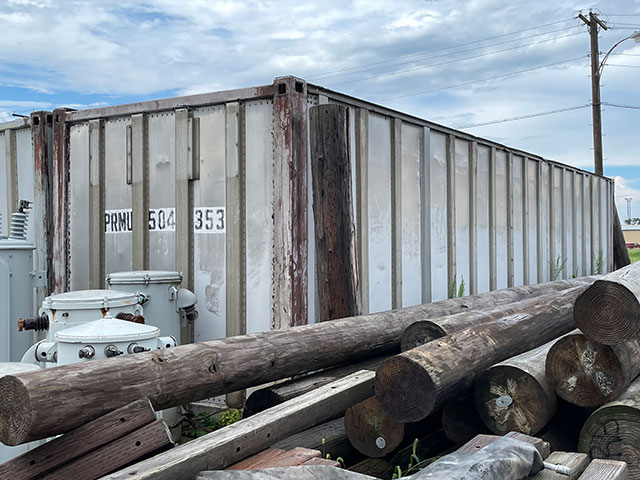
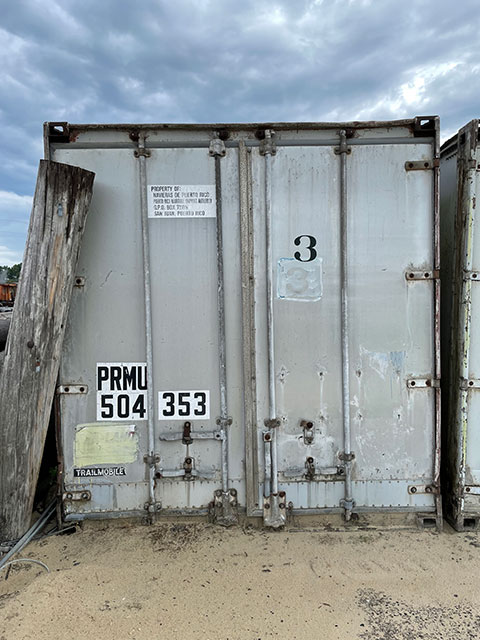
PRMU 504353. 35' dry van built by Trailmobile for Navieras de Puerto Rico. Here is a look at the doors. (Photos by Charles Fox)
PRMU 640226 and 640552, both 35' dry vans built by Fruehauf for Navieras de Puerto Rico. (Photos by Charles Fox)
Thanks for visiting.